The BEST Matcha Overnight Oats
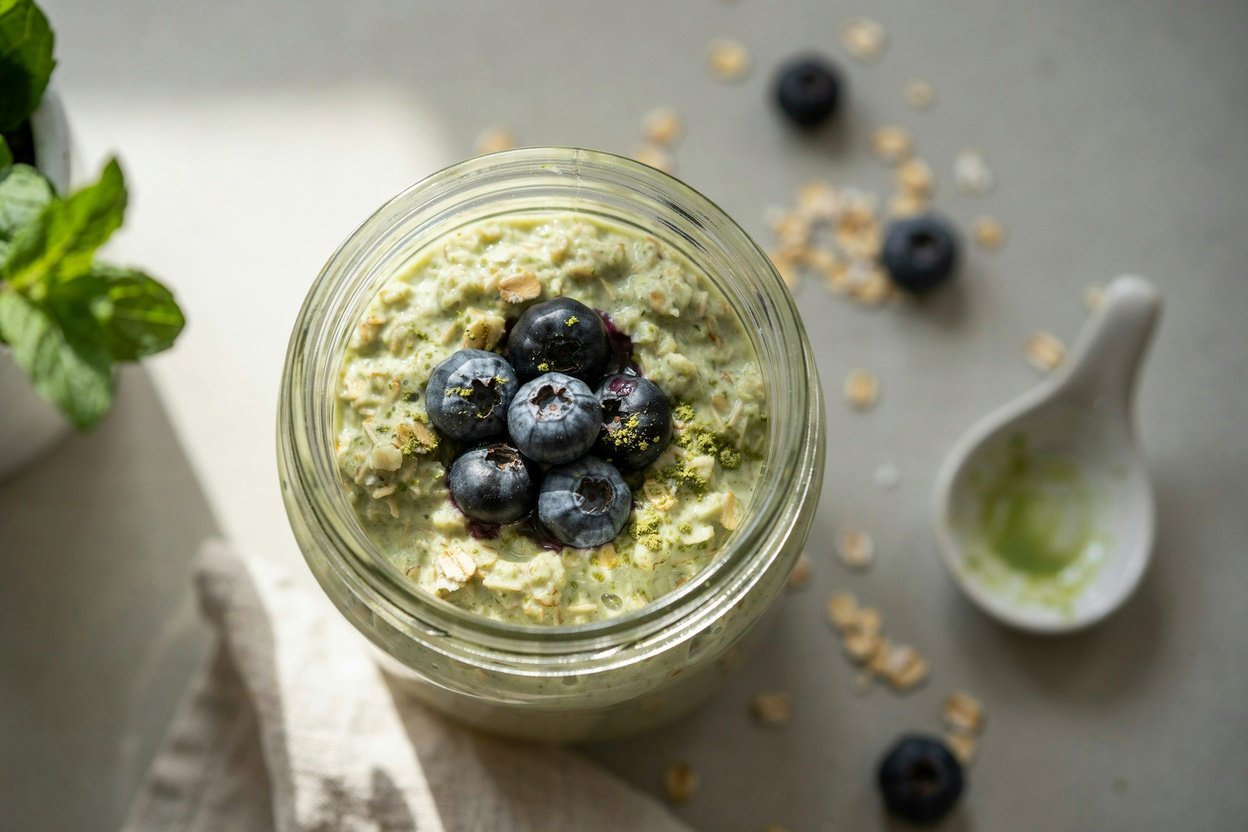
I got into matcha long before I got into overnight oats, and it took an embarrassingly long time for me to realize the two belonged together. Once I finally combined them, this became one of those recipes I make almost every single week, thick, creamy, faintly sweet, with just enough grassy depth from the matcha to keep it from tasting like a plain bowl of oatmeal.
This version leans extra creamy thanks to a generous amount of yogurt, which also means it holds up well in the fridge without turning watery or separating the way a thinner overnight oats recipe sometimes can.

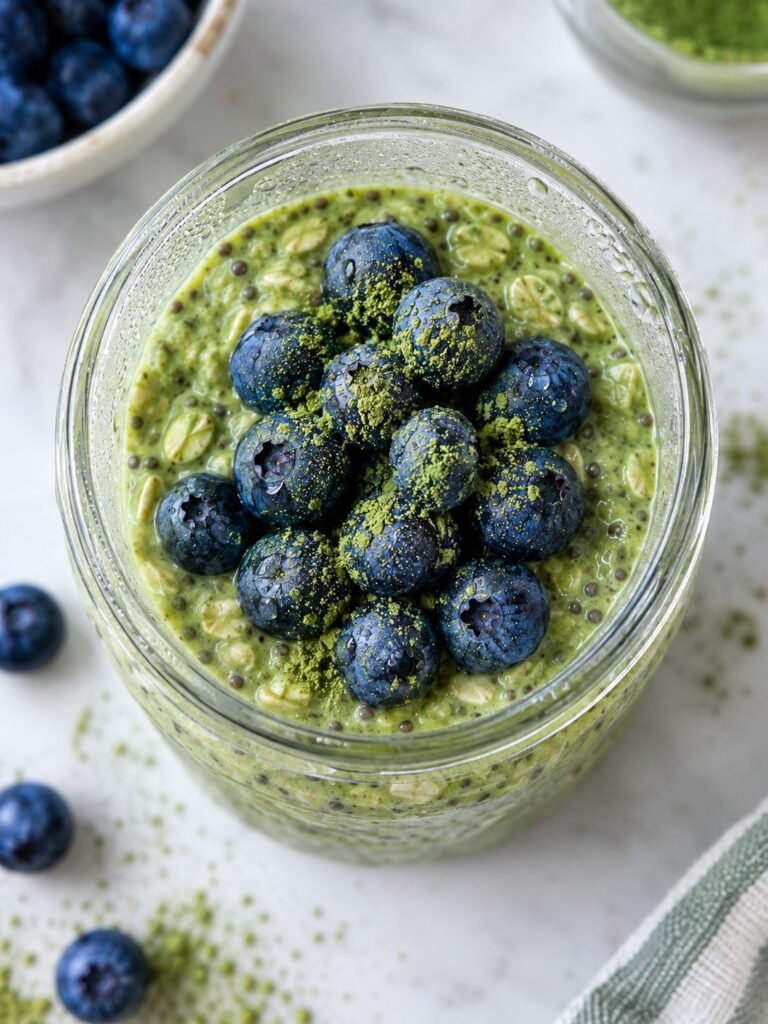
Topped with fresh blueberries, the tartness cuts right through the richness, and the color contrast alone makes it feel like more of a treat than a five-minute breakfast prep really deserves to feel.
If you’ve made my vegan cashew parmesan, you already know I like recipes that take almost no active effort but still taste intentional. This is exactly that kind of recipe, just for breakfast instead of dinner.
Why You’ll Love This Matcha Overnight Oats Recipe
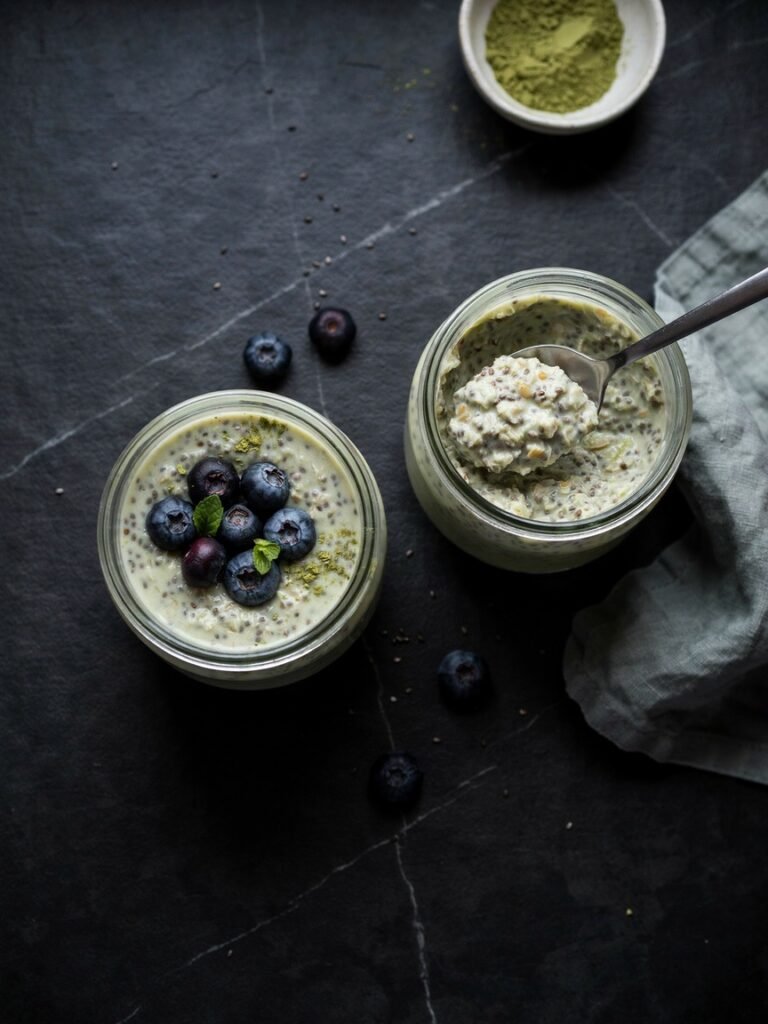
It’s genuinely a five-minute prep. Stir everything together the night before, and breakfast is completely done and waiting for you by morning.
The texture is properly thick and creamy. A higher ratio of yogurt to milk than most overnight oats recipes call for keeps this from ever turning watery or thin.
Matcha brings real depth, not just color. Beyond the visual appeal, matcha adds a slightly earthy, grassy note that keeps the sweetness from feeling one-dimensional.
It’s easy to make dairy-free. Swap the dairy yogurt and milk for plant-based versions and the recipe holds up just as well.
Choosing Your Matcha
Not all matcha powder behaves, or tastes, the same way, and the type you use will noticeably change this recipe.
Culinary-grade matcha (recommended). This is what you want for baking, smoothies, and mixed recipes like this one. It’s more affordable than ceremonial-grade matcha and has a slightly bolder flavor that holds up well against the other ingredients.
Ceremonial-grade matcha. This is meant to be whisked with hot water on its own and tasted delicately, so it’s a bit of a waste, and a lot more expensive, to use it in a mixed recipe like overnight oats.
Older or lower-quality matcha. This tends to have a duller, more brownish-green color and a noticeably more bitter flavor. If your matcha isn’t a vibrant green straight out of the tin, it’s worth switching brands.
Ingredients
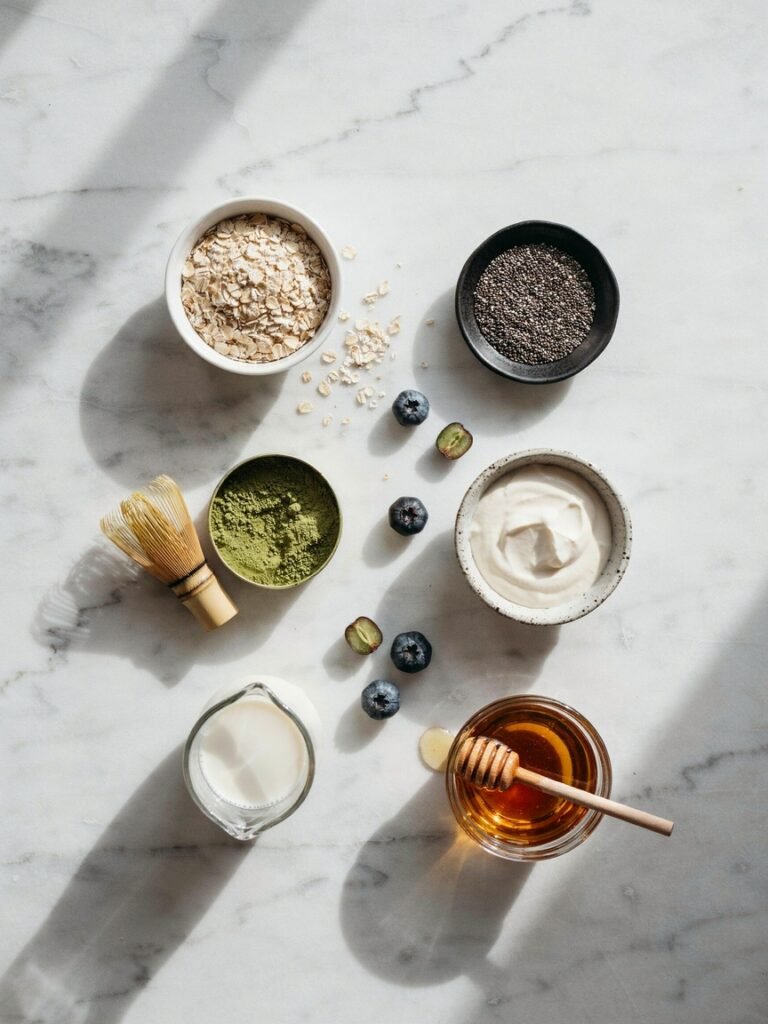
For the Oats
- 1 cup rolled oats
- 3 tablespoons chia seeds
- 2 teaspoons matcha powder
- 1 1/2 cups plain or vanilla yogurt, dairy or non-dairy
- 1 1/2 cups milk, any kind
- 2 to 3 tablespoons maple syrup
- 1 teaspoon vanilla extract
- 1 pinch salt
For Topping
- Fresh blueberries
- Extra matcha powder, for dusting, optional
Equipment You’ll Need
- A mixing bowl
- A whisk, a fork works too, but a whisk breaks up matcha clumps much more effectively
- Individual mason jars or airtight containers, if meal prepping for the week
- A fine-mesh sifter, optional, useful if your matcha tends to clump heavily
A Note About Avoiding Clumpy Matcha
Matcha powder does not dissolve the way sugar or salt does, it’s a fine powder that clumps easily if you dump it straight into a bowl of oats, yogurt, and milk all at once.
The fix is simple: whisk the matcha into a small splash of the milk first, pressing any clumps against the side of the bowl with the back of a spoon, until it’s completely smooth. Only then add the rest of the milk and remaining ingredients. This one small step makes a bigger difference than almost anything else in this recipe.
Choosing the Right Yogurt and Milk
Since this recipe leans on yogurt for most of its thickness and richness, the type you use matters more here than in a lot of other overnight oats recipes.
Greek yogurt (recommended). Thick, strained, and higher in protein, this is what gives you that properly creamy, pudding-like texture the recipe is going for. If you only remember one tip from this section, use a thick yogurt.
Regular yogurt. Works, but the finished oats will be noticeably looser and less rich. If this is all you have, consider cutting the milk back slightly to compensate.
Coconut or almond yogurt. A solid dairy-free option, just look for a thicker variety rather than a thin, pourable one, since consistency varies a lot between brands.
For the milk, whole milk gives the creamiest result, but this recipe is genuinely forgiving, oat milk, almond milk, and 2% all work well without any other adjustments needed. Just avoid very thin, watery non-dairy milks like some rice milk varieties, since they can leave the finished oats a bit soupy.
How to Make The BEST Matcha Overnight Oats
Step 1: Whisk the Matcha
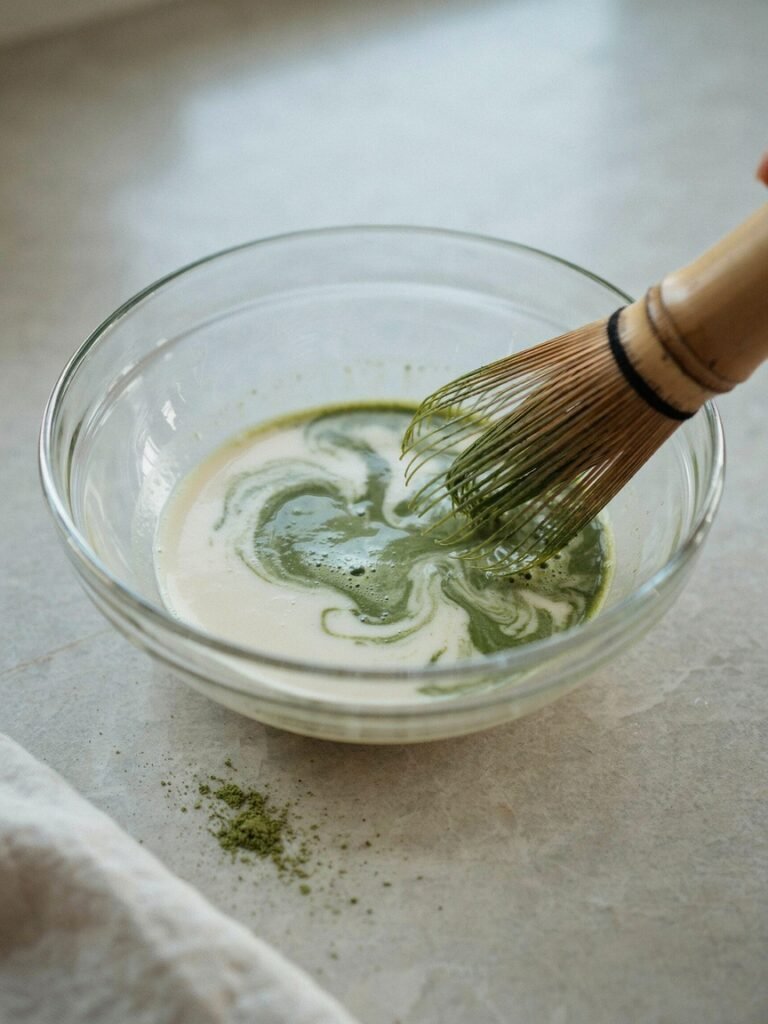
In a mixing bowl, add the matcha powder along with a small splash, about 2 tablespoons, of the milk. Whisk vigorously until completely smooth with no visible clumps.
This small amount of liquid gives you enough room to actually work out the clumps without fighting against the full volume of the other ingredients. Skipping straight to mixing everything together at once is the number one reason people end up with bitter little pockets of matcha throughout their oats.
Step 2: Add the Remaining Wet Ingredients
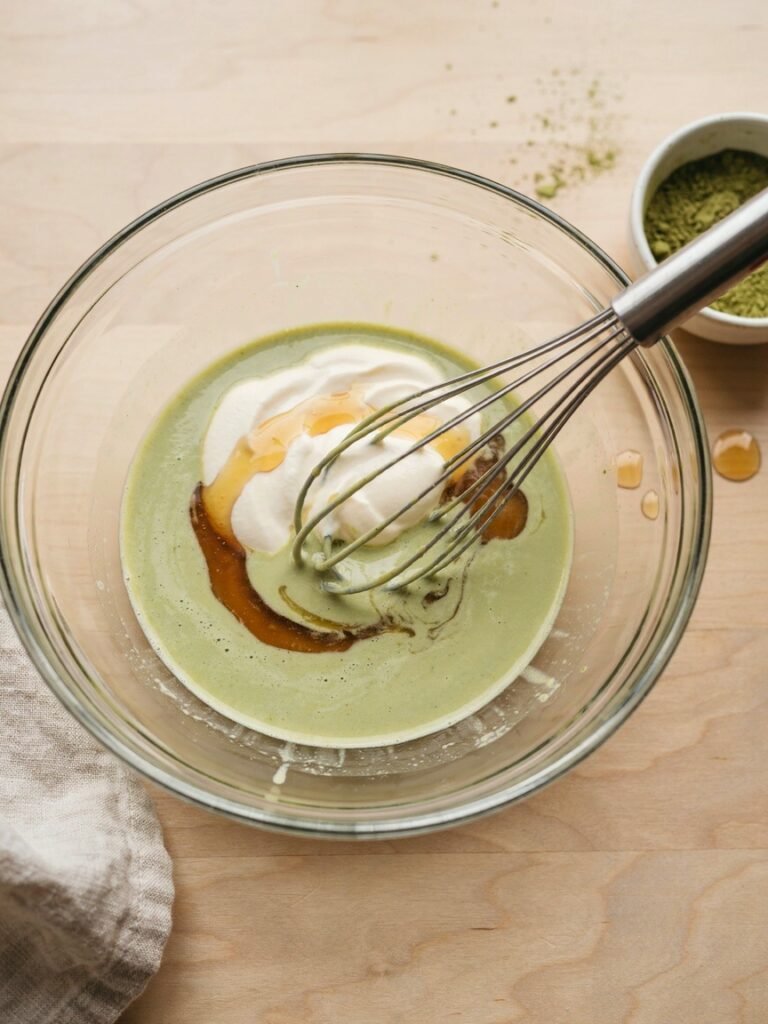
Pour in the rest of the milk, along with the yogurt, maple syrup, and vanilla extract. Whisk until fully combined and the mixture is a uniform, pale green color.
Step 3: Stir in the Dry Ingredients
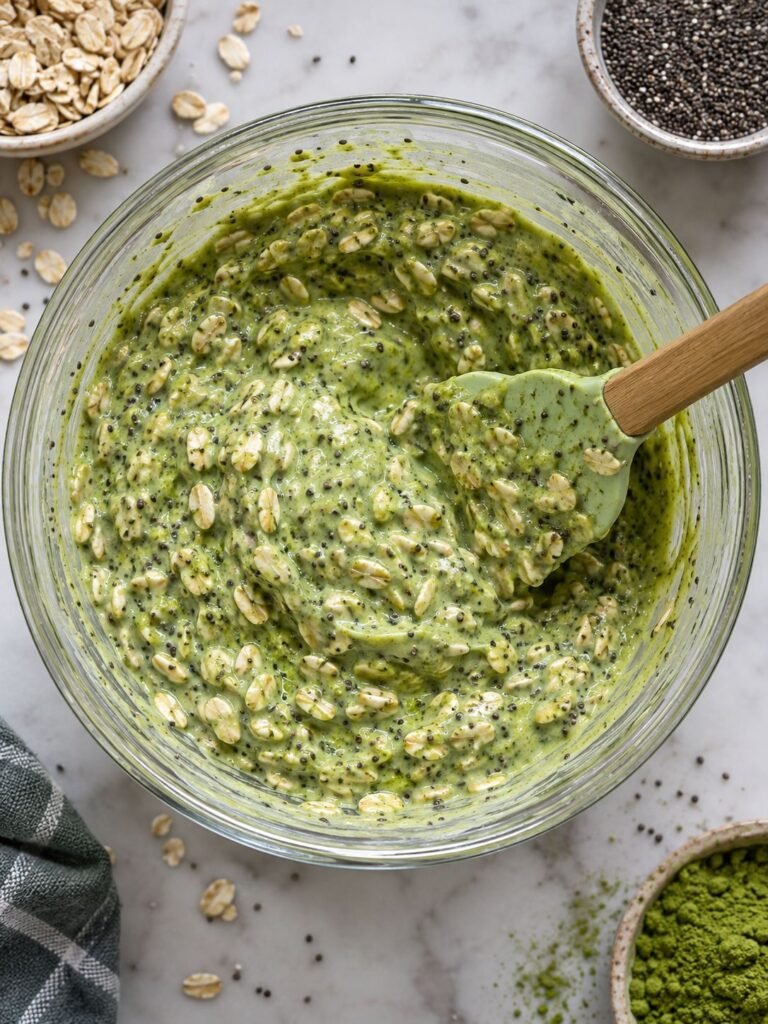
Add the rolled oats, chia seeds, and salt to the bowl. Stir well, making sure to scrape the bottom and sides so there are no dry pockets of oats left unmixed.
The chia seeds especially tend to sink and clump at the bottom if you don’t stir thoroughly here, and any that don’t get evenly distributed now won’t fully hydrate overnight.
Step 4: Refrigerate
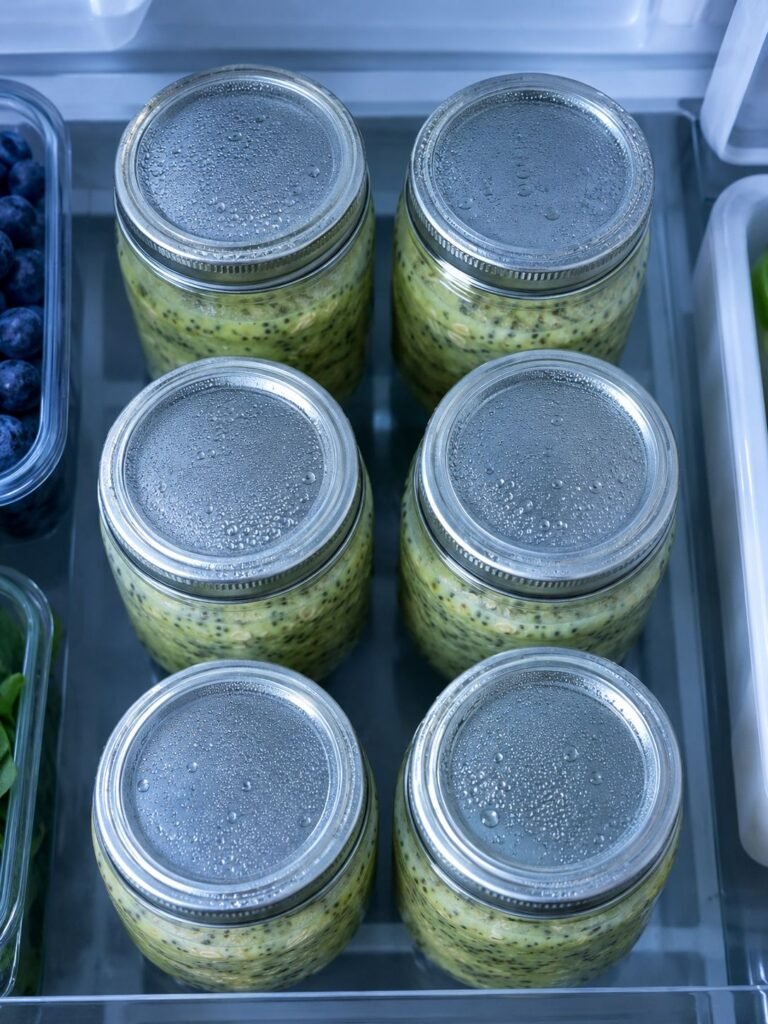
Cover the bowl or transfer the mixture into individual jars, then refrigerate for at least 4 hours, though overnight is best for the fullest, creamiest texture.
The oats and chia seeds need this time to fully absorb the liquid. Oats eaten too soon after mixing will still have a slightly firm, undercooked bite rather than that soft, pudding-like texture you’re after.
Step 5: Stir and Top
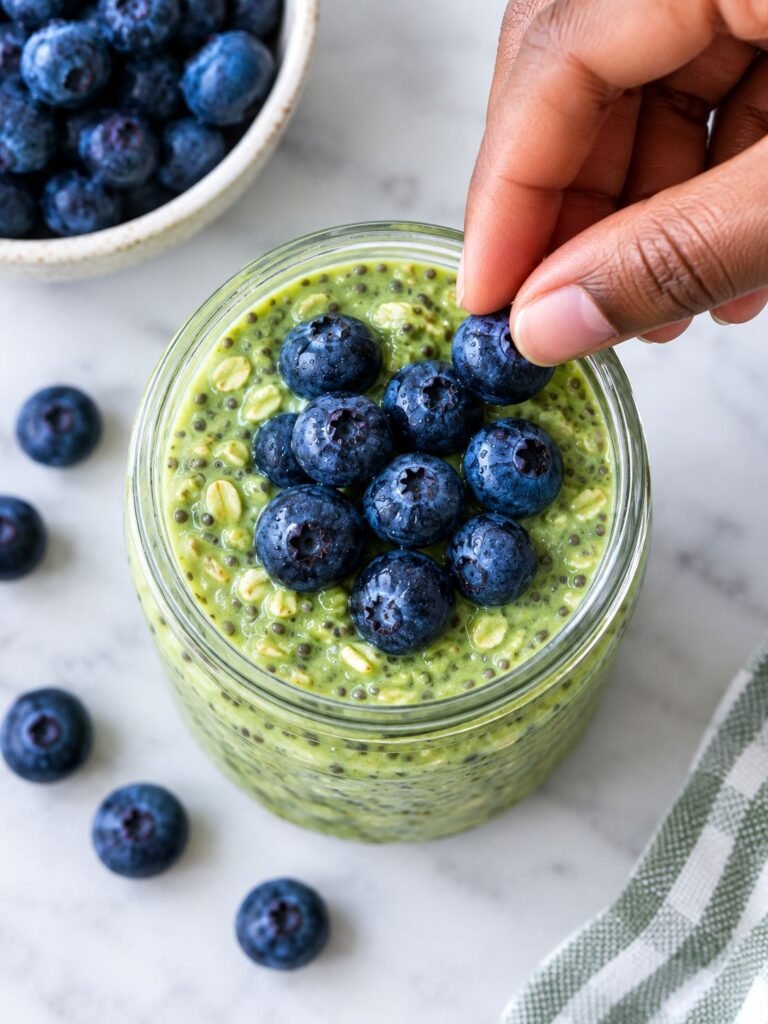
In the morning, give the oats a good stir, since chia seeds can settle and clump even after a full night in the fridge.
Top with fresh blueberries and a light dusting of extra matcha powder if you want a bit more visual contrast and flavor.
Tips for the Best Matcha Overnight Oats
- Always whisk the matcha into a small amount of liquid first. This is the single most important step for avoiding a bitter, clumpy texture.
- Use a thick, high-quality yogurt. Thin yogurt will give you thinner, less satisfying oats.
- Stir before eating, not just before refrigerating. Chia seeds continue to settle overnight, and a second stir redistributes them evenly.
- Don’t skip the salt. It sounds minor, but it noticeably rounds out the sweetness and balances the slight bitterness of the matcha.
- Give it the full overnight rest if you can. Four hours works in a pinch, but the texture is noticeably better after a full night.
Mistakes I’ve Made So You Don’t Have To
Dumping the matcha in with everything else at once. I ended up with bitter little clumps throughout the entire jar, and no amount of stirring after the fact fixed it. Whisking it into a small amount of milk first solves this completely.
Using a thin, watery yogurt. The texture came out closer to soggy cereal than the thick, pudding-like consistency I was going for. A thicker Greek-style yogurt makes a real difference.
Eating it after only 2 hours in the fridge. The oats hadn’t fully softened yet, and the texture was noticeably firmer and less pleasant than a full overnight rest.
Forgetting to stir again before eating. The chia seeds had settled into a dense layer at the bottom, leaving the top noticeably thinner than the rest.
Troubleshooting
My matcha tastes bitter. This is almost always a sign of lower-quality matcha, or matcha that wasn’t fully whisked out before mixing. Try a different brand, and make sure you’re pre-whisking it into a small amount of liquid first.
My oats are too thick the next morning. This is easy to fix, just stir in a splash of extra milk until it loosens back up to the consistency you like.
My oats are too thin or watery. This usually means your yogurt was thinner than expected, or there wasn’t quite enough chia seed to thicken things properly. Add an extra teaspoon of chia seeds next time.
My matcha turned brown instead of staying green. This is a sign the matcha itself is lower quality or has been sitting around a while and lost some of its vibrancy. It’s still safe to eat, but the flavor will likely be more bitter than a fresher, higher-quality matcha would give you.
What to Serve With Matcha Overnight Oats
- A soft-boiled egg on the side for extra protein
- A small handful of granola for crunch
- Fresh fruit beyond blueberries, like sliced kiwi or mango
- A cup of green tea, if you want to lean even further into the matcha flavor
Can I Make This Ahead?
Yes, this is genuinely a make-ahead recipe by design.
You can prepare a batch of 3 to 4 jars at once at the start of the week, storing them undressed with toppings added right before eating. This makes for an easy grab-and-go breakfast on busy mornings without any extra effort once the initial batch is made.
How to Store Leftovers
Store in an airtight container or individual jars in the refrigerator for up to 5 days.
Add fresh toppings like blueberries right before eating rather than storing them mixed in, since berries can release liquid and make the oats soggier than intended over several days.
Can I Freeze This?
Yes, though I’d only recommend freezing the base oats without any fresh fruit toppings.
Portion the mixture into individual freezer-safe containers and freeze for up to 2 months. Thaw in the refrigerator overnight before eating, and give it a good stir once thawed, since the texture can separate slightly during freezing.
Easy Variations
Extra Protein Version. Stir in a scoop of vanilla or unflavored protein powder along with the wet ingredients for a more filling, protein-packed breakfast.
Tropical Version. Swap the blueberries for chopped mango and a sprinkle of toasted coconut.
Nutty Version. Top with a spoonful of almond or cashew butter for extra richness and healthy fats.
Extra Chocolatey Version. Stir in a teaspoon of cacao powder along with the matcha for a chocolate-matcha combination.
Scaling This Recipe
This recipe scales up easily if you’re meal prepping for more than a couple of days.
To make a full week’s worth: simply multiply every ingredient by however many servings you need, mix it all together in one large bowl or container, and portion it into individual jars right before refrigerating. Mixing it as one large batch rather than several small ones saves time and gets you more consistent texture across all the jars.
To make a single serving: divide every ingredient by three, keeping the ratios the same, and mix directly in the jar or container you plan to eat from to save on dishes.
If you’re scaling up significantly, it’s worth pre-whisking the matcha into a slightly larger splash of milk, roughly a tablespoon per teaspoon of matcha, to make sure you can still fully work out the clumps before combining everything else.
Dietary Adaptations
Dairy-free: swap the yogurt for a thick coconut or almond milk yogurt, and use any plant-based milk in place of dairy milk. The texture holds up well as long as your yogurt substitute is reasonably thick.
Lower sugar: cut the maple syrup back to a single tablespoon, or leave it out entirely and rely on the natural sweetness of the blueberries as a topping.
Higher protein: stir in a scoop of unflavored or vanilla protein powder along with the wet ingredients, and consider using a high-protein Greek yogurt as your base.
Nut-free: this recipe is naturally nut-free as written, just double-check that your milk and yogurt substitutes, if using plant-based versions, aren’t nut-derived if that’s a concern.
Frequently Asked Questions
Does this recipe have caffeine? Yes, matcha naturally contains caffeine. It’s generally less than a cup of coffee but more than a cup of green tea, so keep that in mind if you’re sensitive to caffeine in the morning.
Can I make this dairy-free? Yes, swap the yogurt and milk for your favorite plant-based versions. A thick coconut or almond yogurt works especially well to keep the texture creamy.
Why is my matcha yellowish or brown instead of bright green? This usually points to lower-quality matcha made from more mature tea leaves, which also tends to taste more bitter. Look for a vibrant green matcha for the best flavor and color.
Can I use quick oats instead of rolled oats? Rolled oats hold their texture much better overnight. Quick oats tend to turn mushy and lose the pleasant, slightly chewy bite that makes overnight oats satisfying.
How long does this actually take to make? The hands-on prep is about 5 minutes. The rest is entirely hands-off fridge time, at least 4 hours, though overnight gives you the best texture.
The BEST Matcha Overnight Oats
Ingredients
Method
- Whisk the matcha powder with 2 tablespoons of the milk until completely smooth.
- Add the remaining milk, yogurt, maple syrup, and vanilla extract. Whisk until combined.
- Stir in the rolled oats, chia seeds, and salt until fully incorporated.
- Cover and refrigerate for at least 4 hours, preferably overnight.
- Stir well and top with fresh blueberries and a dusting of matcha before serving.
Notes
- Always whisk the matcha into a small amount of liquid first to avoid bitter clumps.
- Use a thick yogurt for the creamiest texture.
- Give it a second stir before eating, since chia seeds settle overnight.
- Add fresh toppings right before eating rather than storing them mixed in.
- A vibrant green matcha means better flavor. Dull or brownish matcha tends to taste more bitter.
Final Thoughts
This is the kind of recipe that feels a little unfair, in a good way, considering how little effort it actually takes to make something this satisfying.
The matcha does a lot of heavy lifting here, both in flavor and in that gorgeous pale green color, and the blueberries on top make it feel like an actual breakfast rather than something you’re just eating to get through the morning.
If you make this, I’d love to know if you kept it classic with blueberries or went with one of the variations instead.