Keto Edible Cookie Dough
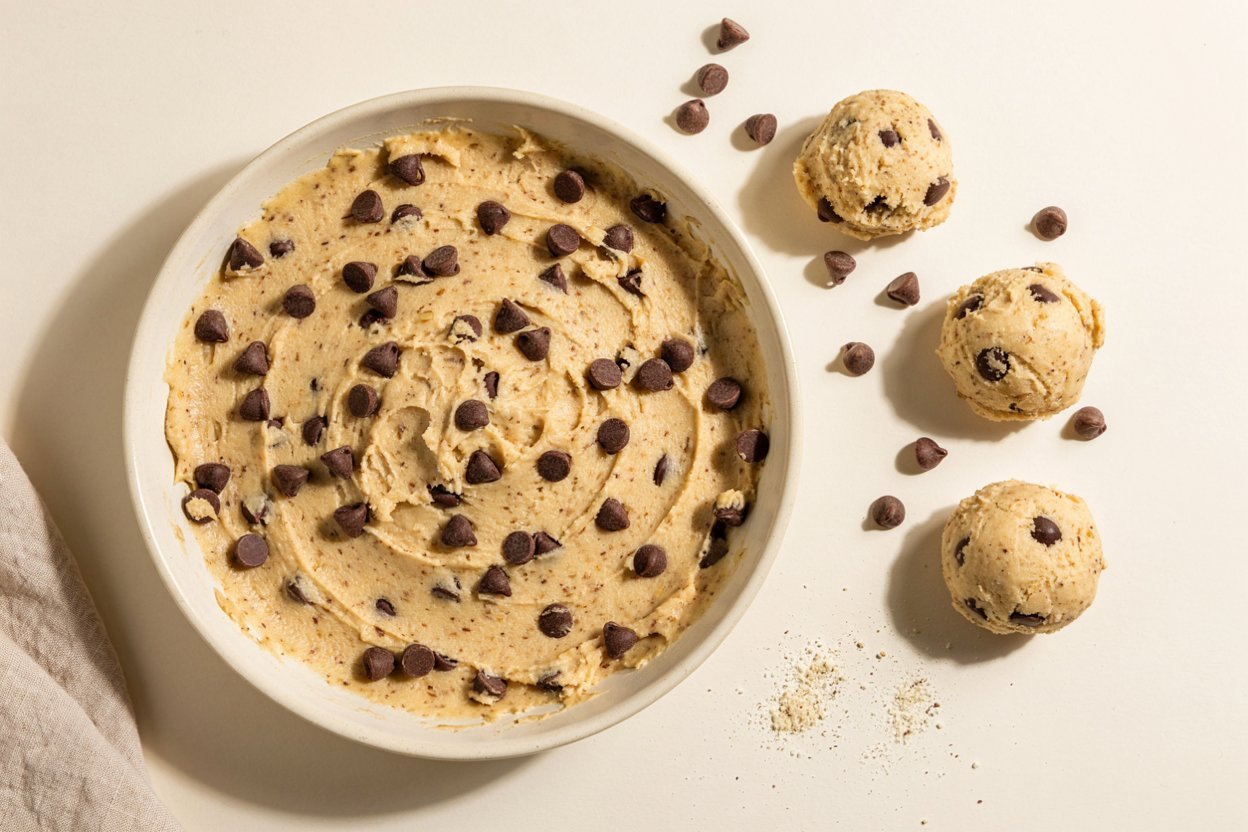
There’s a very specific kind of craving that only raw cookie dough actually satisfies, no amount of an actual baked cookie quite scratches the same itch. For years, keto felt like it meant giving that particular craving up entirely, since real cookie dough leans on flour and brown sugar for both its texture and its sweetness, two things that are basically off the table on a low-carb diet.
I went through a stretch of trying to just avoid the craving altogether, which worked about as well as ignoring cravings ever does, before I finally sat down and actually worked out a version that holds up.

This version gets impressively close to the real thing using almond flour and a powdered sugar substitute, and it comes together in one bowl in under 10 minutes with no oven required at all.
The first time I made it, I genuinely double-checked the ingredient list against a normal cookie dough recipe, because the texture in the bowl looked so close to what I remembered.
It’s not a perfect one-to-one replica, almond flour has its own personality, but it’s close enough that the craving actually goes away instead of just being partially managed.
Because there’s no egg and no raw flour involved, this is also genuinely safe to eat straight from the bowl, which honestly might be the best part. No heat-treating flour, no baking anything first, just mix, taste, adjust, and dig in, spoon in hand, standing at the counter if that’s the mood you’re in.
Why You’ll Love This
Eat it straight from the bowl, no baking required. No eggs and no raw flour means there’s nothing here that needs to be cooked first for safety, so the moment it’s mixed, it’s ready.
Genuinely tastes like real cookie dough. Almond flour and butter get remarkably close to the classic flavor and texture, especially once it’s chilled slightly and the butter firms back up.
Ready in under 10 minutes. One bowl, one spoon, and a handful of pantry-staple keto ingredients, no special equipment or advance prep required.
Easy to customize. Swap in different mix-ins, adjust the sweetness level, or scale the whole batch up or down entirely to your taste and needs.
Why This Craving Deserves a Real Solution
It’s worth pausing on why this recipe exists at all, rather than just accepting that cookie dough is off the table on keto.
Cravings, especially very specific ones like this, tend to get stronger the more they’re flatly denied rather than addressed, and a lot of low-carb “substitutes” out there miss the mark badly enough that they don’t actually satisfy anything. A protein bar doesn’t scratch a cookie dough itch. A square of dark chocolate doesn’t either.
What makes this recipe worth the ten minutes it takes is that it actually nails the specific things that make cookie dough cookie dough: the soft, slightly dense texture, the real vanilla-and-butter flavor, and those little pockets of chocolate throughout.
Getting genuinely close on all three of those, rather than compromising on one to hit the other two, is really the whole goal here.
Equipment You’ll Need
A mixing bowl. Nothing fancy, just something big enough to comfortably stir everything together without it spilling over the sides as you go.
A hand mixer or sturdy spatula. A hand mixer makes creaming the butter and sweetener faster and considerably smoother, but a spatula and a bit of elbow grease works just as well if that’s what you have on hand.
A small cookie scoop (optional). Handy if you want evenly sized dough balls for portioning, freezing, or dipping in chocolate later, though it’s not required at all if you’re just eating it straight from the bowl.
Measuring cups and spoons. Almond flour especially benefits from accurate measuring, since too much can leave the dough dry and crumbly rather than soft and scoopable.
Recipe Ingredients
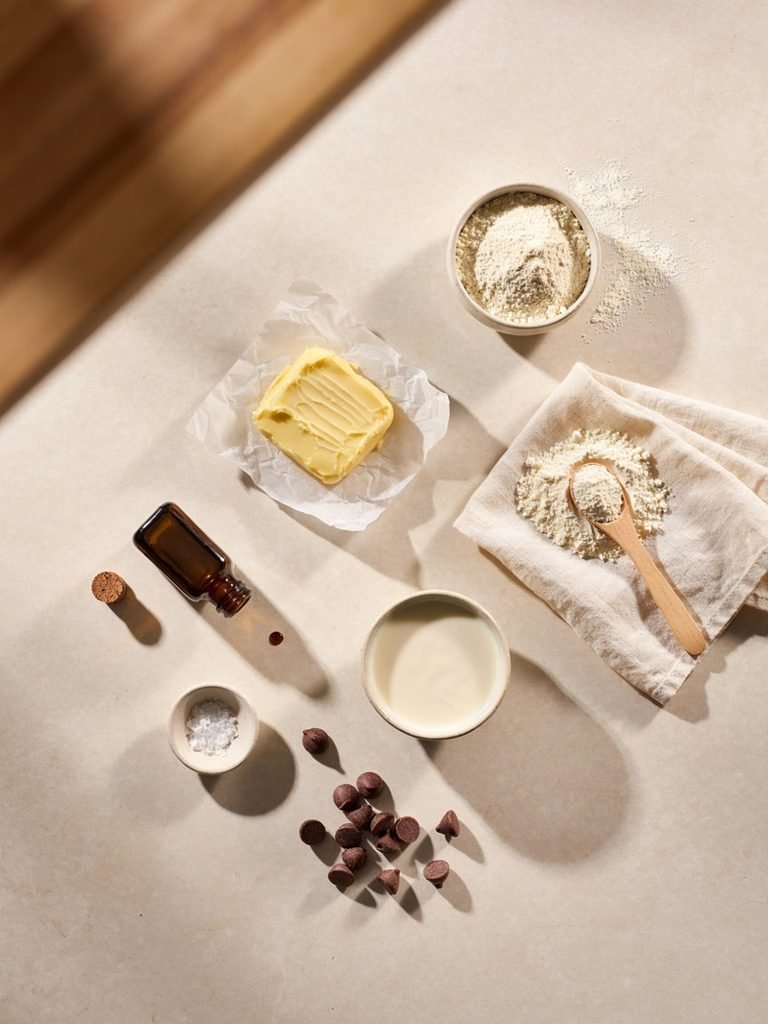
- ½ cup unsalted butter, softened (or coconut oil for dairy-free)
- ½ cup powdered erythritol or another powdered sugar substitute
- 1 teaspoon vanilla extract
- 1½ cups blanched almond flour
- 2 tablespoons heavy cream (or full-fat coconut milk for dairy-free)
- ¼ teaspoon salt
- ½ cup sugar-free chocolate chips
If You Need to Substitute
Dairy-free? Use coconut oil in place of butter and full-fat coconut milk in place of heavy cream. The texture stays very similar to the dairy version, with just a faint coconut background note that most people find pleasant rather than distracting.
No powdered erythritol? A granulated sweetener works, but blend it briefly in a small food processor or spice grinder first, granulated sweetener left as-is can leave a slightly gritty texture that powdered sugar substitutes avoid entirely.
Nut-free? Sunflower seed flour is the closest substitute for almond flour here, though it can turn baked goods slightly green when it reacts with baking soda, that’s not a concern in this no-bake recipe, so it’s a genuinely safe swap with no visual downside.
Want it higher protein? Replace ¼ cup of the almond flour with unflavored or vanilla protein powder, adding an extra half tablespoon of cream if the dough feels too dry as a result.
How to Make It
Step 1: Cream the Butter and Sweetener

In a mixing bowl, beat the softened butter and powdered sweetener together until light and creamy, about 1 to 2 minutes with a hand mixer, or a bit longer if mixing by hand.
This step matters more than it might seem, a well-creamed base is what gives the final dough its smooth, scoopable texture rather than a dense, crumbly one, the same way creaming butter and sugar properly is the foundation of any good traditional cookie recipe.
Step 2: Add the Vanilla
Mix in the vanilla extract until fully incorporated, scraping down the sides of the bowl to make sure nothing’s hiding in the corners unmixed.
Step 3: Add the Almond Flour
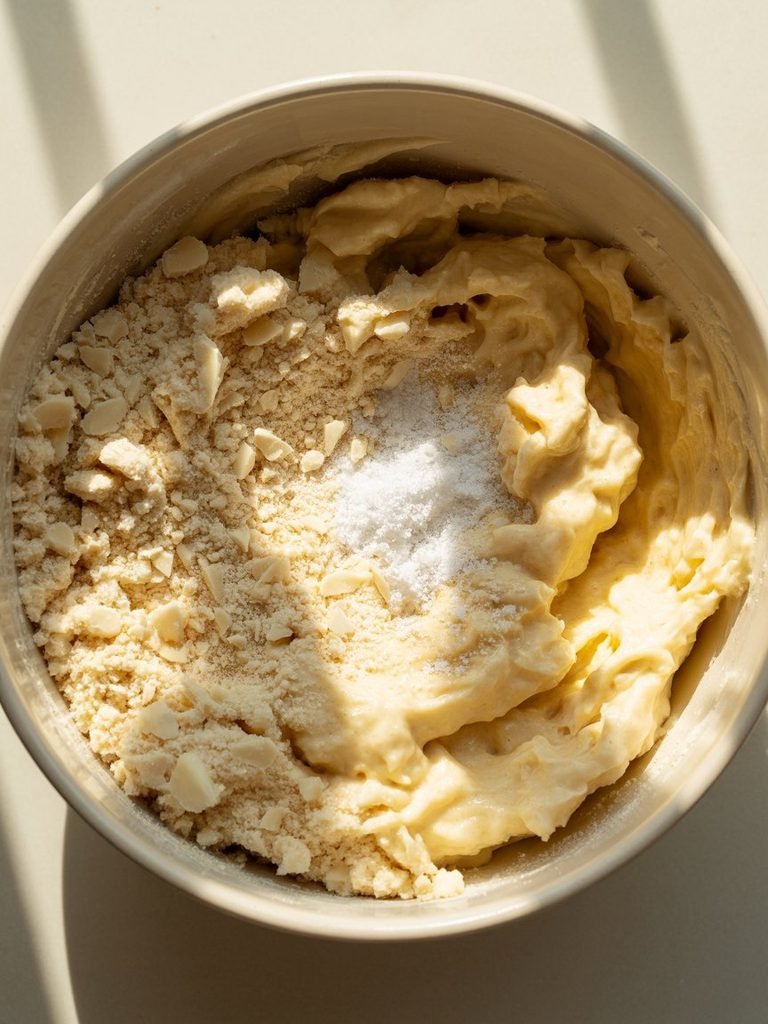
Add the almond flour and salt, mixing on low speed or stirring by hand until just combined.
The mixture will look dry and crumbly at this stage, almost like wet sand, that’s completely expected, the cream added in the next step is what brings everything together into a cohesive dough.
Step 4: Add the Cream
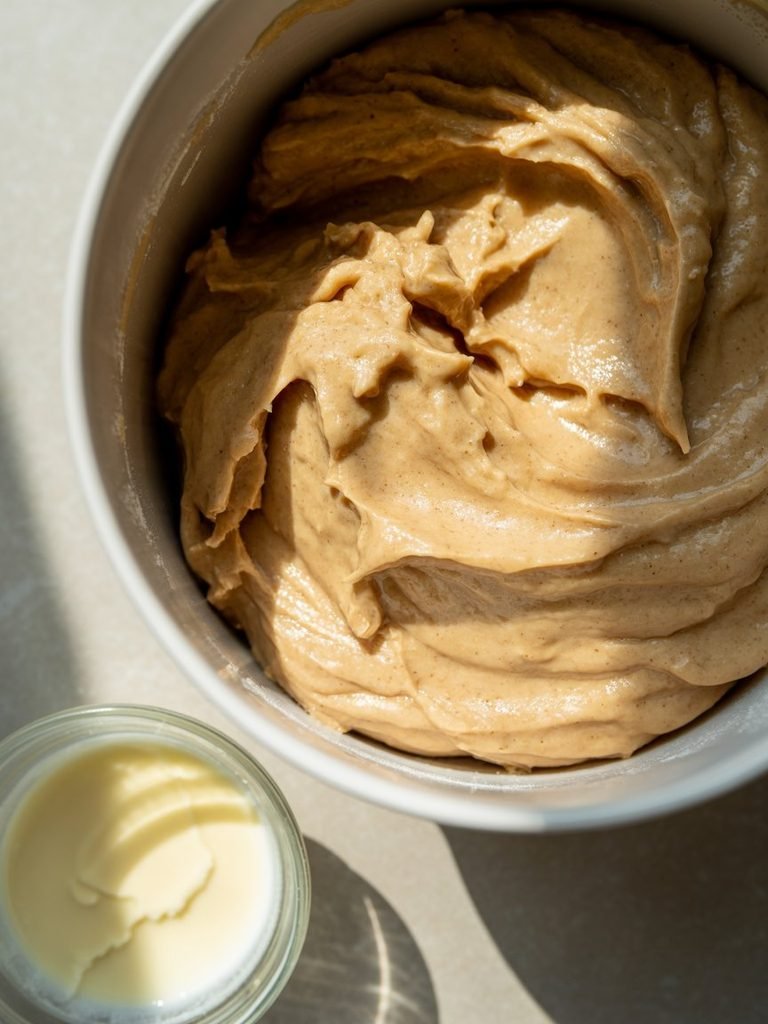
Add the heavy cream a tablespoon at a time, mixing until the dough comes together into a soft, scoopable consistency similar to real cookie dough.
You may not need the full 2 tablespoons, or you may need a touch more depending on your almond flour’s specific moisture content, add it slowly and stop once the texture looks right rather than adding it all at once and hoping for the best.
Step 5: Fold in the Chocolate Chips
Fold in the sugar-free chocolate chips by hand with a spatula, distributing them evenly throughout the dough rather than clustering them in one area, a few gentle folds from the bottom up usually does the trick.
Step 6: Chill and Serve
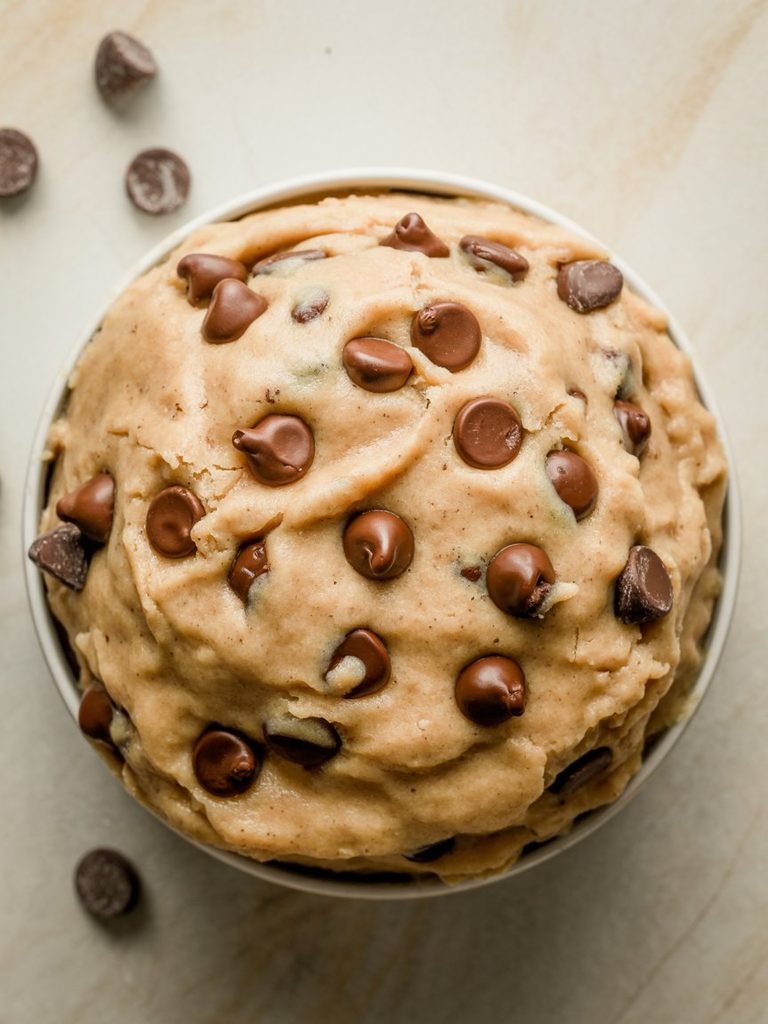
For the best texture, chill the dough in the fridge for about 15 to 20 minutes before eating, this firms it up slightly and makes it feel closer to traditional cookie dough straight out of the mixing bowl.
It’s also perfectly fine to eat immediately if you can’t wait that long, the flavor is there either way, chilling mostly affects texture.
A Note About the Almond Flour
Blanched almond flour, the fine, pale kind with the skins removed, is what you want here rather than almond meal, which is coarser and includes the skins.
Almond meal will work in a pinch, but it gives the dough a slightly grainier texture and a darker, speckled appearance that doesn’t read quite as much like traditional cookie dough, more rustic than smooth.
Because almond flour doesn’t behave exactly like wheat flour, this dough is naturally a bit softer and more delicate than the real thing straight after mixing.
That’s completely normal, and it’s exactly why the chilling step helps so much, the butter firms back up in the fridge and brings the texture much closer to what you’re expecting from a spoonful of real cookie dough.
Almond flour also varies more between brands than most people expect, some are ground finer than others, which affects how much liquid the dough needs. If your first batch turns out a little dry, note which brand you used and add slightly more cream next time, this is a normal adjustment rather than a sign anything went wrong.
Why This Recipe Works
Traditional cookie dough gets its safety concerns from two ingredients: raw eggs and raw flour, both of which can carry harmful bacteria if eaten uncooked.
This recipe simply leaves both out entirely rather than trying to work around them. There’s no egg in the ingredient list at all, and almond flour, unlike wheat flour, doesn’t carry the same raw-consumption risk, so there’s no need to heat-treat it first the way some traditional edible cookie dough recipes require for wheat flour.
The powdered sweetener does double duty here too. Beyond just providing sweetness, creaming it with the butter the same way you would with sugar in a real cookie dough recipe is what builds that light, slightly fluffy texture in the base, rather than a dense, heavy result you’d get from just stirring everything together at once without any real creaming step.
The fat content from both the butter and the almond flour is also doing more work than it might seem. Real cookie dough’s satisfying, rich mouthfeel comes largely from fat, and this recipe leans into that rather than trying to cut it, which is part of why it genuinely feels indulgent rather than like a diet compromise.
How to Tell When It’s Perfectly Mixed

The dough is ready once it holds together smoothly when pressed between your fingers, without feeling dry, crumbly, or overly sticky.
If it still looks a bit crumbly after adding all the cream, add another half tablespoon at a time until it comes together, almond flour can vary slightly in how much moisture it absorbs between brands, so don’t be surprised if your exact ratio differs slightly from the recipe.
Taste is the other useful check here, since sweeteners vary quite a bit in intensity between brands and types.
Give it a taste before folding in the chocolate chips, and adjust with a touch more powdered sweetener if it’s not quite sweet enough for your taste, it’s much easier to adjust at this stage than after the chocolate chips are already mixed in and you’re trying to stir in more sweetener around them.
Common Mistakes to Avoid
Using cold, hard butter. Straight-from-the-fridge butter won’t cream properly and will leave lumps throughout the dough that never fully smooth out. Let it soften at room temperature for about 30 minutes first, or microwave briefly in short bursts if you’re short on time.
Adding all the cream at once. This is the easiest way to end up with dough that’s too wet and sticky to scoop properly. Add it gradually and stop as soon as the texture looks right, rather than committing to the full amount upfront.
Using almond meal instead of blanched almond flour. It technically works, but the texture and appearance both suffer noticeably compared to the real thing, coarser and more speckled rather than smooth and pale.
Skipping the chill time. The dough is edible right away, but skipping the fridge time means missing out on the firmer, more traditional cookie-dough texture that makes this recipe feel genuinely close to the real thing rather than just a sweet almond flour mixture.
Not tasting before adding the chocolate chips. Sweetener brands vary a lot in how sweet they actually taste. Skipping this check means you might end up under-sweetened with no easy way to fix it once the chips are already folded in.
What to Serve It With
A glass of unsweetened almond or oat milk. The classic cookie-dough-and-milk pairing, minus the added sugar, and it genuinely still works just as well here.
Sugar-free ice cream. Stir chunks of this dough into a batch of homemade or store-bought keto ice cream for a cookie dough ice cream treat that comes together in minutes.
Fresh berries on the side. A small handful of raspberries or strawberries adds a fresh, slightly tart contrast to the rich, sweet dough, and rounds the plate out if you’re serving this as a small dessert.
Nutrition Highlights

Almond flour brings a meaningful amount of healthy fat and a bit of protein to this recipe, which is part of why it’s genuinely more satisfying than a small handful of traditional cookie dough might be, a little goes further here than you’d expect.
Because the sweetener is a sugar substitute rather than actual sugar, the overall carb count stays low, though it’s still worth enjoying in reasonable portions rather than treating it as an unlimited snack, the fat content adds up in the same way real cookie dough’s would, calories aren’t eliminated just because the sugar is.
Prep-Ahead Tips
- Make the full batch up to 3 days ahead and store it covered in the fridge, letting it sit at room temperature for a few minutes before eating if it’s chilled very firm.
- Portion into individual balls using a small cookie scoop right after mixing, so grab-and-go portions are ready whenever a craving hits later in the week.
- Soften the butter ahead of time and keep it at room temperature so this comes together even faster when you’re actually ready to make it.
- Measure out the almond flour and sweetener into a container the night before if you’re planning to make this first thing in the morning or right after work.
How to Store
Refrigerator: Store in an airtight container for up to 1 week. The dough firms up in the fridge, which most people actually prefer for that classic, slightly dense cookie-dough bite.
Freezer: Portion into balls and freeze on a tray until solid, then transfer to a freezer bag for up to 3 months. Let thaw in the fridge for about an hour, or at room temperature for 15 to 20 minutes, before eating.
Room temperature: Not recommended for more than an hour or two, since the butter-based dough will soften significantly and lose its scoopable texture, turning closer to a spread than a dough.
Serving Suggestions and Variations

- Roll into small balls and dip in melted sugar-free chocolate for a truffle-style treat that firms up beautifully in the fridge.
- Swap the chocolate chips for chopped pecans or walnuts for a different texture and flavor profile, closer to an oatmeal-cookie feel without the oats.
- Add a pinch of cinnamon to the dough for a warmer, slightly spiced variation that works especially well in colder months.
- Layer spoonfuls into a glass with keto whipped cream for an easy no-bake dessert cup that looks a lot more finished than the effort it actually took.
Frequently Asked Questions
Is this cookie dough actually safe to eat raw? Yes, since it contains no eggs and no raw wheat flour, the two ingredients that make traditional cookie dough risky to eat uncooked. Almond flour doesn’t carry the same concern, which is exactly why this style of recipe works.
Can I bake this into actual cookies? Not recommended as written, this dough is formulated to be eaten raw and doesn’t contain a leavening agent, so it won’t bake up like a traditional cookie, it would likely just spread and turn greasy in the oven. If you want baked keto cookies, look for a recipe specifically designed for baking.
Why is my dough greasy or oily? This usually means the butter separated slightly, often from overmixing or from the kitchen being warm while you worked. Chilling the dough for 20 to 30 minutes typically brings it back together without needing to start over.
Can I make this nut-free? Yes, sunflower seed flour is the closest substitute for almond flour in this recipe and works well in a no-bake application like this one, with no real downside since there’s no baking soda reaction to worry about here.
How sweet is this compared to regular cookie dough? It’s genuinely comparable, though sweetener brands vary, so taste as you go and adjust before adding the chocolate chips if you want it sweeter or more subtle.

Keto Edible Cookie Dough
Ingredients
Method
- Cream the butter and sweetener. Beat together until light and creamy, 1-2 minutes.
- Add the vanilla. Mix until fully incorporated.
- Add the almond flour. Mix with the salt until just combined (mixture will look crumbly).
- Add the cream. Add a tablespoon at a time until the dough comes together into a soft, scoopable texture.
- Fold in the chocolate chips. Distribute evenly by hand.
- Chill and serve. Refrigerate 15-20 minutes for the best texture, or eat immediately.
Notes
- Use blanched almond flour, not almond meal, for the smoothest texture.
- Add the cream gradually, not all at once, to avoid an overly sticky dough.
- Keeps in the fridge up to 1 week, or freeze portioned balls for up to 3 months.
- Not intended for baking, this dough has no leavening agent.